:format(webp))
:format(webp))
Clarify Your Project Vision and Requirements
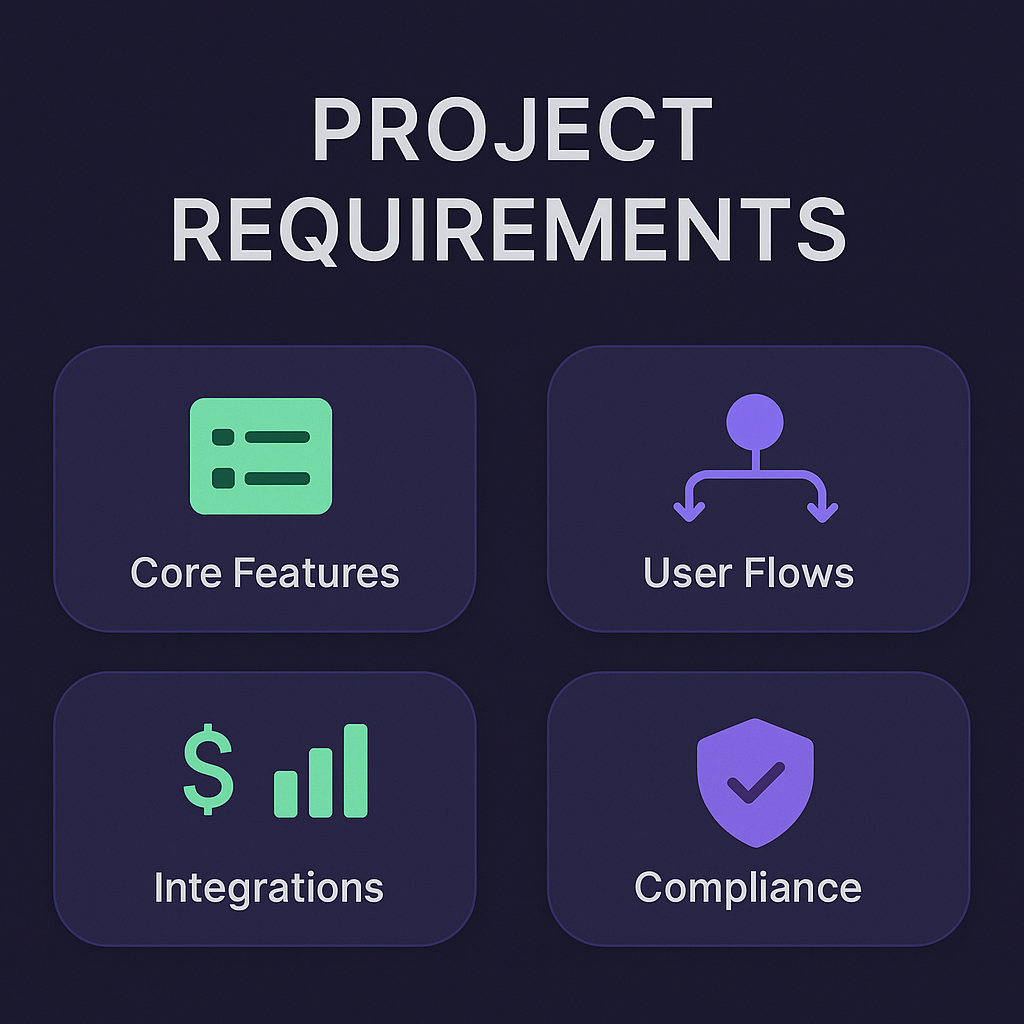
Before you start evaluating agencies, document what your application must do, who will use it and how it will grow. A clear brief helps you:
Define core features and user flows
Set performance and scalability targets
Identify integrations (payment, analytics, CRM)
Outline any compliance or security mandates
Agencies appreciate a concise requirements document—it becomes the benchmark for proposals and timelines.
Assess Expertise and Past Success
You want a team whose track record aligns with your goals. Two critical dimensions:
Technical Proficiency in React.js and Performance Optimization
Look for proof of these techniques:
Code splitting and lazy loading
Memoization with
React.memooruseMemoServer-side rendering for initial load speed
According to the 2022 State of JS survey , React dominated front-end frameworks with over 80% adoption—so you’ll be in good company.
Open-Source and Community Engagement
An active contributor to React or related libraries often keeps pace with emerging patterns. Review GitHub profiles for commits, issues or published packages.
Evaluate Processes and Collaboration
Strong methodology ensures reliable delivery and smooth communication.
DevOps, CI/CD and Deployment Practices
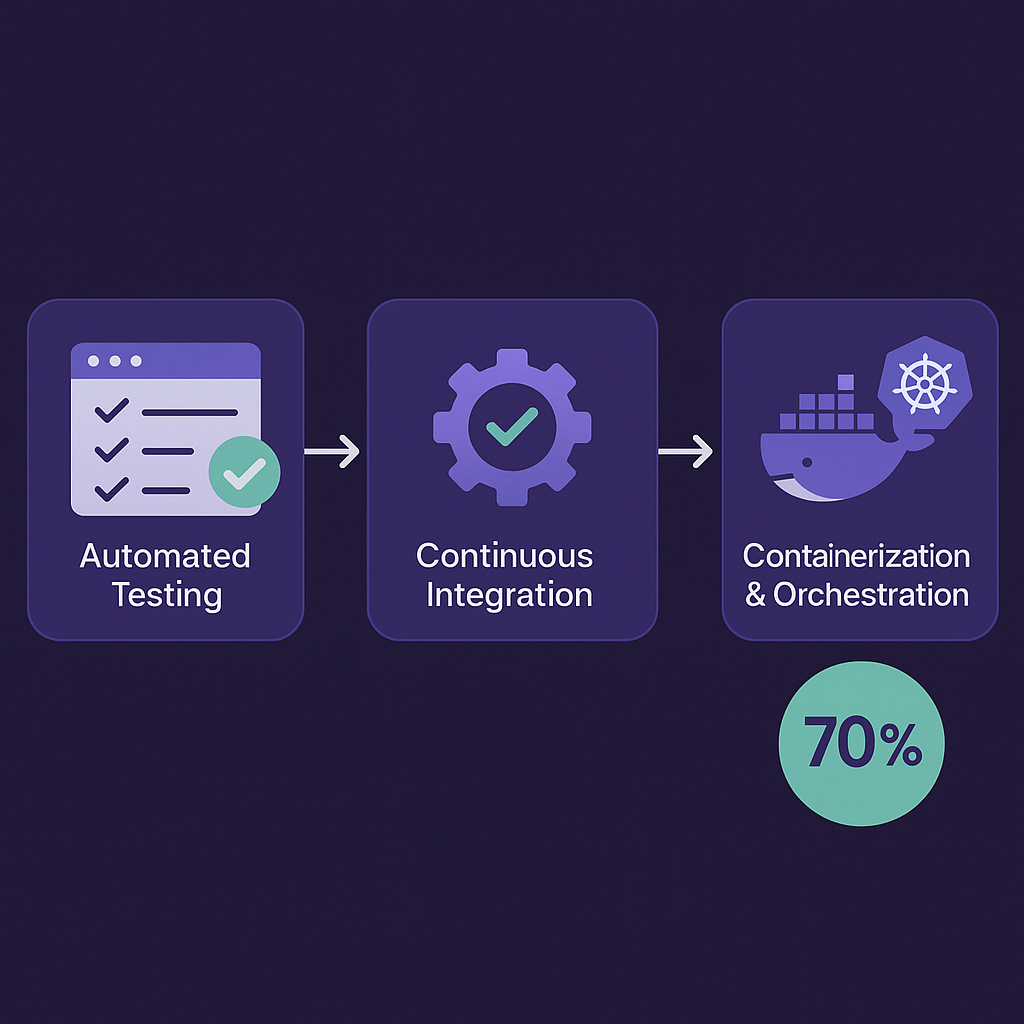
Ask about their pipeline:
Automated testing frameworks (Jest, Cypress)
Continuous integration tools (GitHub Actions, Jenkins)
Containerization (Docker) and orchestration (Kubernetes)
A robust pipeline can reduce deployment errors by over 70%¹, according to the 2019 State of DevOps Report .
Accessibility (a11y) and Compliance
Inclusive design means more users and less legal risk. Share your WCAG level (AA or AAA) and ask how the agency audits for keyboard navigation, screen-reader compatibility and color contrast based on the WCAG 2.1 guidelines .
Design-to-Development Workflow
See how they convert Figma or Sketch mocks into reusable React components. A streamlined handoff minimizes rework and accelerates sprint velocity.
Security Protocols and API Integration
Discuss their approach to authentication ( OAuth2 , JWT ), authorization roles and how they handle sensitive data. If you plan microservices, confirm they’ve integrated third-party APIs and can maintain isolation between services.
Consider SaaS-Specific Skills
SaaS platforms have unique challenges—experienced agencies will recognize them immediately.
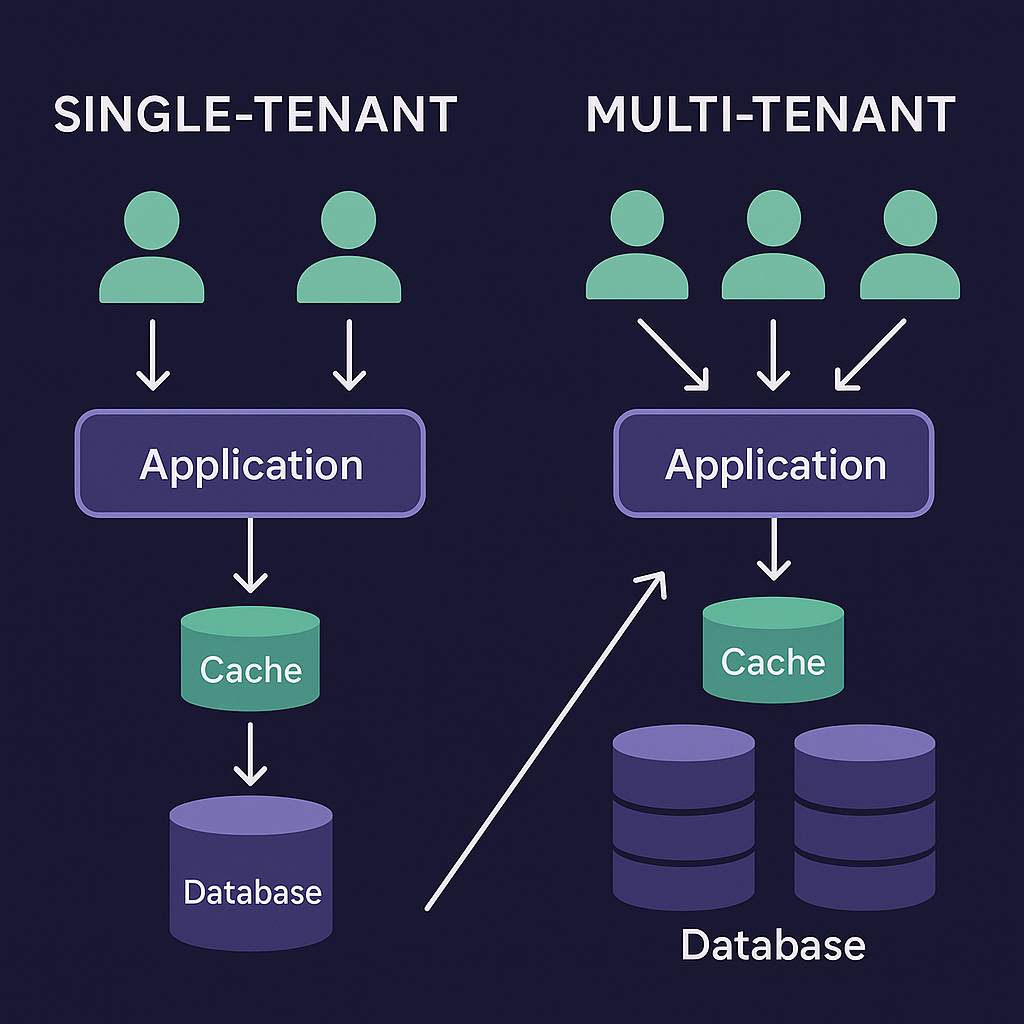
Multi-Tenancy, Subscription Management and Scalability
Multi-tenant designs differ from single-tenant. Ensure they can architect database schemas, caching strategies and autoscaling rules that serve thousands of customers. See Microsoft's guidance on multi-tenant architectures and how Stripe handles subscription management .
Internationalization (i18n) and Localization (l10n)
If you aim for global reach, ask about libraries like react-intl or react-i18next , translation workflows and character-set support.
Post-Launch Support, Knowledge Transfer and Pricing
Delivery is only half the story—your team needs to maintain and extend the codebase.
Onboarding sessions and documentation for internal developers
Training workshops on code standards and deployment
Ongoing maintenance SLAs and retainer models
Compare time-and-materials vs fixed-price models; weigh flexibility against budget predictability.
Aspect | Time-and-Materials | Fixed-Price |
|---|---|---|
Flexibility | High | Low |
Budget Predictability | Variable | High |
Risk Distribution | Client assumes risk for changes | Vendor assumes risk for overruns |
Typical Use Cases | Complex, evolving, or long-term projects | Well-defined, short-term, or MVP projects |
Change Management | Easy to accommodate changes | Requires formal change requests |
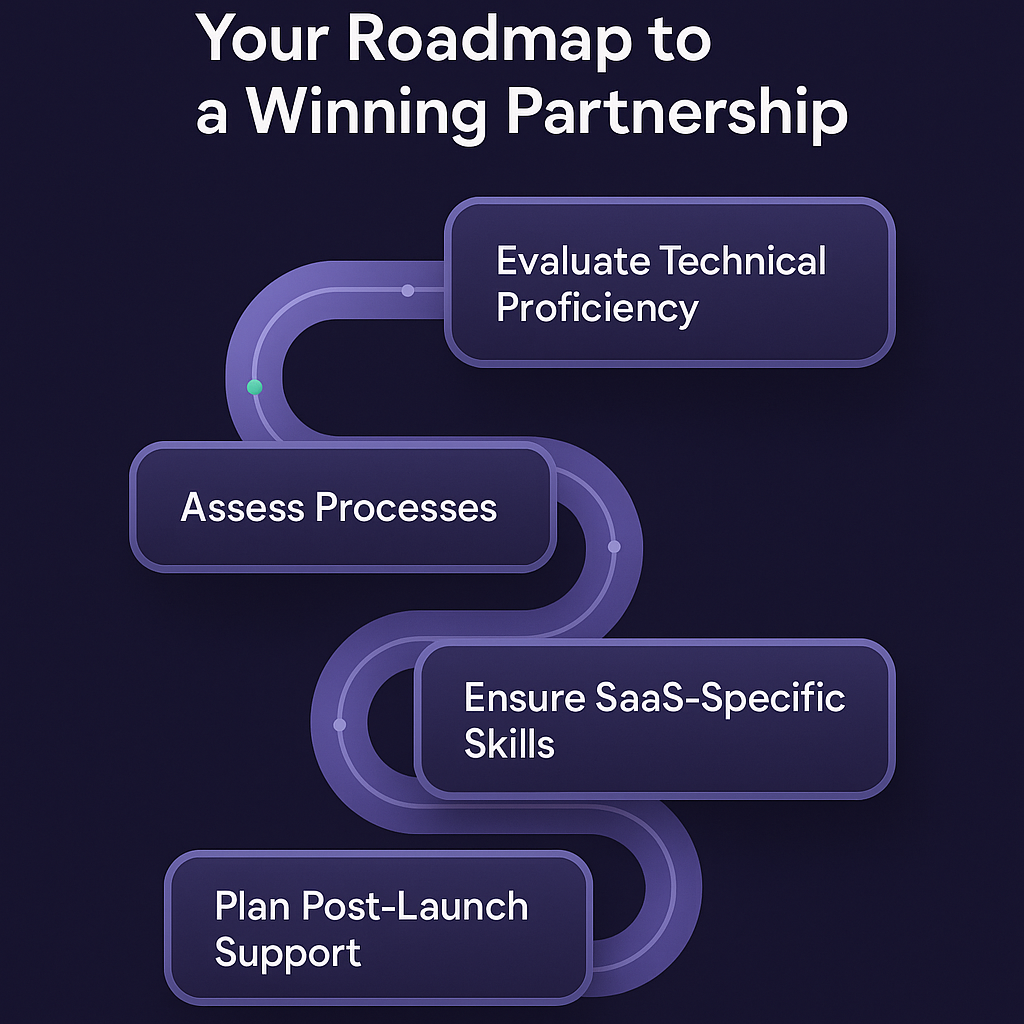
Your Roadmap to a Winning Partnership
Choosing the right React.js agency means balancing skills, processes and culture. Use this guide as your due diligence checklist. When you’ve found a firm that ticks these boxes—and feels like a natural extension of your team—you’ll lay the foundation for a SaaS or startup that scales reliably, performs brilliantly and delights users around the world.
¹ Nicole Forsgren, Jez Humble & Gene Kim, “State of DevOps Report 2019,” DORA .
Need Expert ReactJS Support?
We're ready to hop on a call and give our insights on your project
Book Free Consult:format(webp))
:format(webp))
:format(webp))