:format(webp))
:format(webp))
Essential Skills for React Developers in 2025: From Fundamentals to Advanced Practices
Reading this will help you understand which abilities recruiters expect, which emerging techniques set you apart, and how to focus your learning on both time-tested and cutting-edge React development skills.
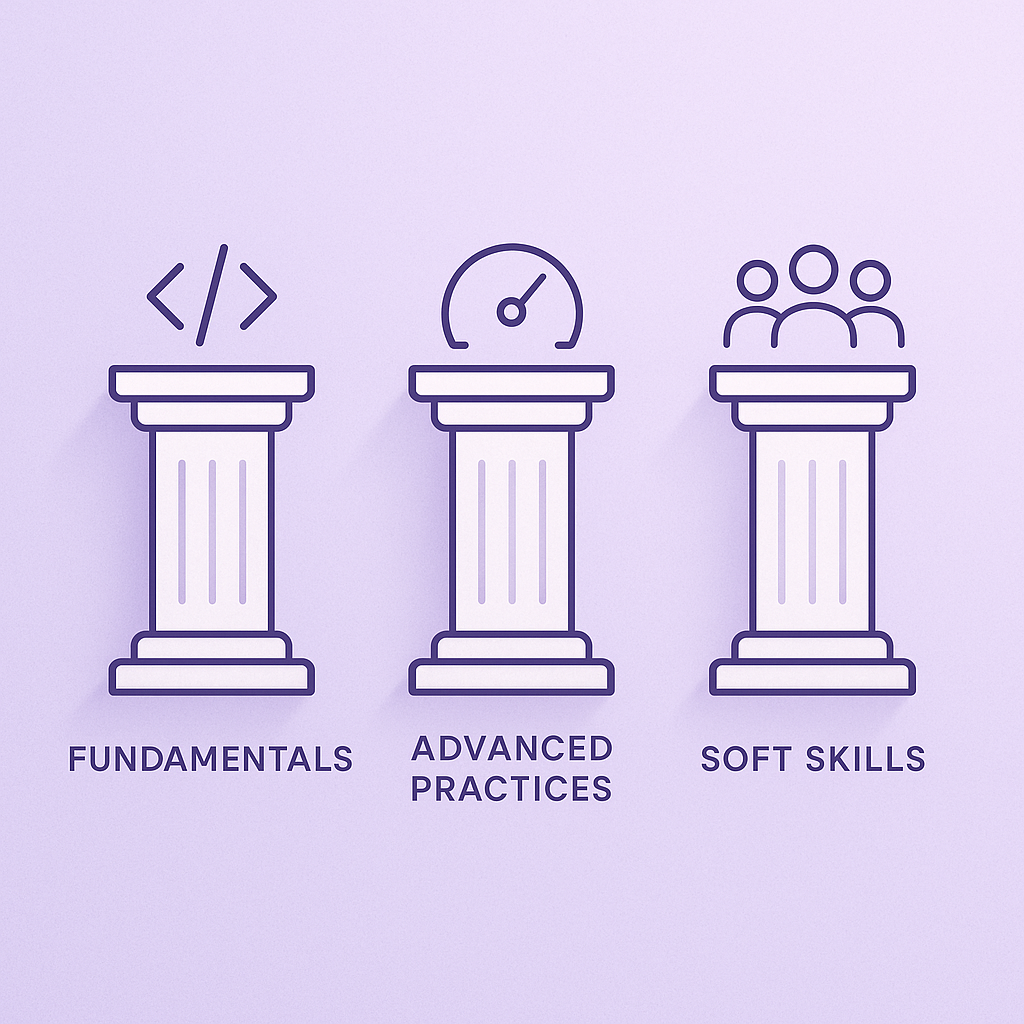
Core Technical Skills
Before diving into advanced areas, make sure you’ve nailed the essentials every React professional needs:
JavaScript fundamentals
HTML & CSS proficiency
React fundamentals (components, JSX, props, state)
React Hooks (useState, useEffect)
State management (Redux, Zustand and/or Context API)
RESTful APIs & HTTP requests
Testing & debugging (React Testing Library, Jest)
Version control with Git
Why These Matter
React sits on top of JavaScript, HTML, and CSS. If you can author components, manage state predictably, and consume external data, you’ll build reliable interfaces. Testing and Git ensure your code remains stable and collaborative as projects grow. According to the 2023 State of JavaScript survey, projects that follow these fundamentals report 25% fewer bugs in production.
Advanced Technical Skills
Once you have the basics, these newer or deeper abilities will make you stand out:
TypeScript Proficiency
Adding static types to React reduces runtime errors and improves IDE support. Many teams now require JSX written in TypeScript:
TypeScript is rapidly becoming the standard for large-scale React applications.
– React Blog
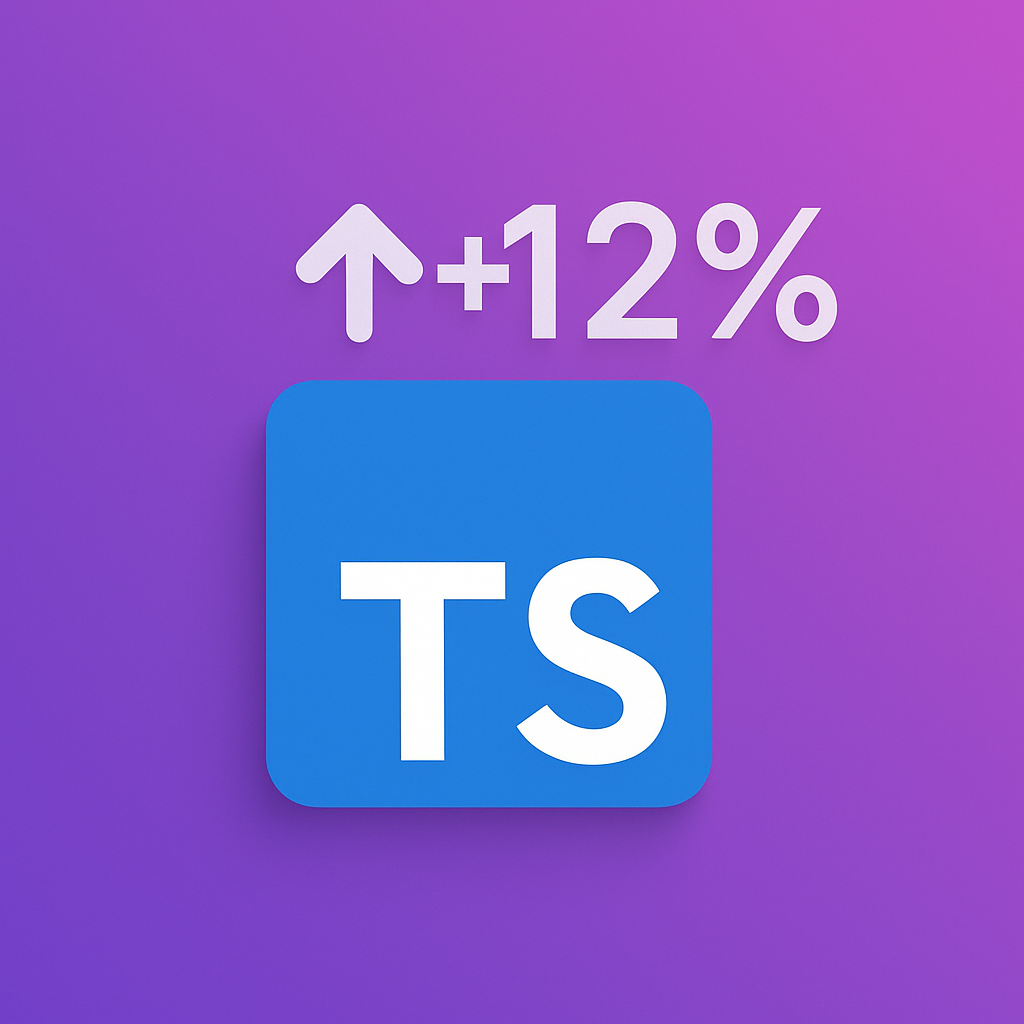
Learn more in the TypeScript React Handbook. In fact, the 2023 State of JavaScript survey shows a 12% year-over-year increase in TypeScript usage within React projects.
Modern Build Tools & Bundlers
Understanding how to configure Webpack, Vite or Parcel can speed up your feedback loop and optimize assets.
Accessibility (a11y) Best Practices
Building inclusive apps requires ARIA roles, keyboard navigation, and semantic HTML. The WAI-ARIA Authoring Practices and WebAIM are great starting points.
Server-Side Rendering & Static Site Generation
Frameworks like Next.js let you pre-render pages for SEO and faster first paint.
For a deeper dive, the Vercel team explains SSR vs. SSG strategies used in modern web apps.
Performance Optimization in React
Small tweaks can shave seconds off load times:
Code splitting & lazy loading
Memoization with `React.memo`, `useCallback`, `useMemo`
Bundle analysis (e.g., source-map-explorer npm package)
Essential Soft Skills
Technical prowess alone won’t carry you. These interpersonal abilities are crucial in every React team:
Communication: explain technical choices clearly (HBR on explaining technical concepts)
Teamwork: collaborate on shared codebases
Problem-solving: debug complex UI issues
Time management: meet sprint deadlines (Atlassian guide to time management)
Adaptability: learn new libraries and patterns
Empathy & attention to detail: craft UX that serves real people
Your Path Forward
By combining these core and advanced technical skills with strong soft skills, you’ll be ready to tackle modern React projects—from personal side apps to enterprise-scale platforms. Build a learning plan that balances fundamentals, new tools, and real-world practice. As you master each area, update your portfolio with side projects showcasing TypeScript, SSR/SSG, or accessibility improvements. That hands-on work will be your strongest proof of skill when you interview or seek new opportunities. Good luck on your React journey!
:format(webp))
:format(webp))
:format(webp))